Year-End GST Reconciliation
Annual GST Reconciliation for Full-Year Review Before Annual Return Finalisation
TaxPower GST helps CAs, GST professionals and finance teams review books and GST data across the financial year, investigate period-wise and party-wise differences and use reconciliation outputs as part of year-end and annual-return preparation.
What is Annual GST Reconciliation?
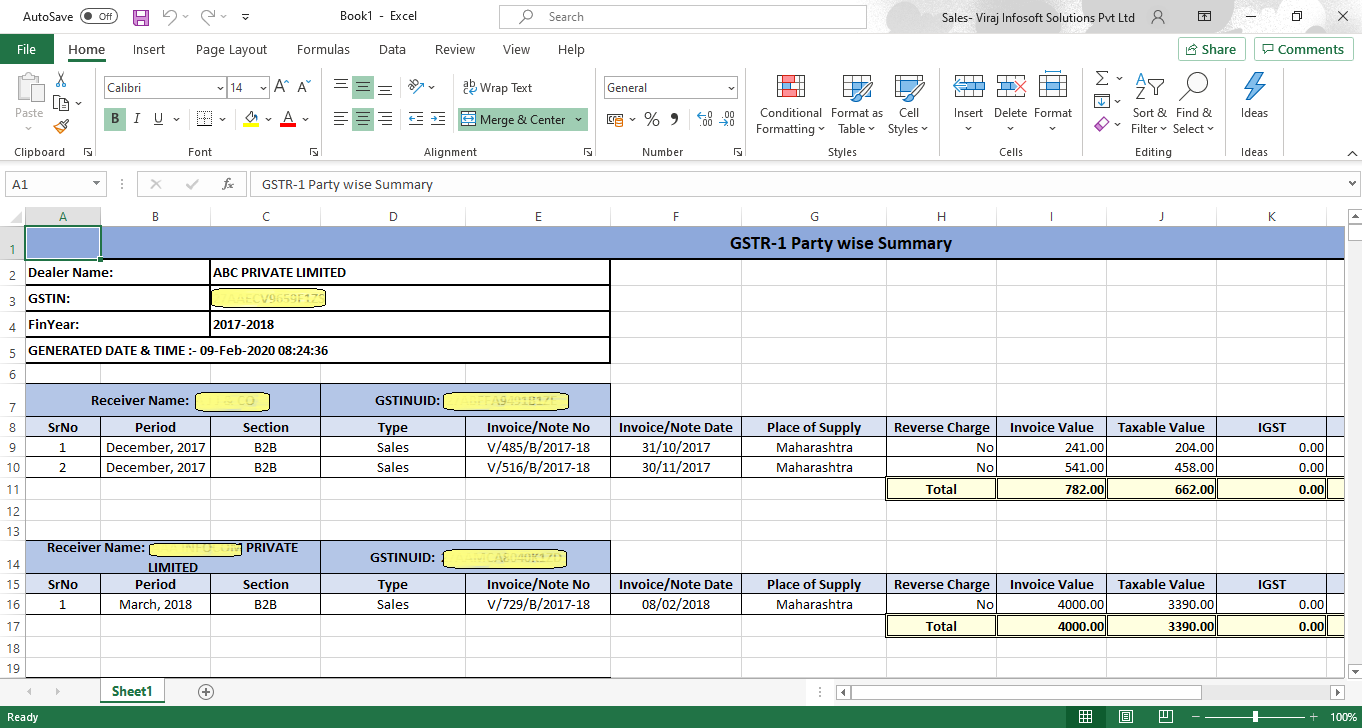
Annual GST reconciliation is a year-end review process that brings together books data and GST return or portal data across the financial year. The objective is to identify differences, investigate period-wise or party-wise gaps and prepare cleaner working information before year-end review or statutory annual-return preparation.
Annual Review Layer
Annual Reconciliation Builds on Periodic GST Reconciliation
Periodic reconciliation should happen throughout the year. Annual reconciliation adds a year-level review layer so professionals can understand unresolved differences, compare trends across periods and prepare for final year-end review.
Period-wise Review
Compare differences month by month or period by period across the financial year.
Party-wise Review
Identify supplier or customer-level differences that need investigation.
Invoice-level Review
Drill down to document-level data where summary differences need explanation.
Year-End Working
Use reconciliation outputs as support for annual reporting and annual-return preparation.
Practical Year-End Workflow
A Structured Annual Reconciliation Flow
Keep the annual review connected to the underlying books, GST data and reconciliation working rather than treating year-end review as a separate spreadsheet exercise.
Bring Together Relevant Data
Use books data and available GST return / portal data for the financial year.
Review Period-wise Differences
Identify unresolved differences across filing periods before year-end finalisation.
Investigate Parties & Invoices
Move from summary differences to party-wise or invoice-wise analysis.
Review Annual Outputs
Use annual reconciliation and reporting views to support year-end working papers.
Move to Annual Return Review
Carry reviewed information into GSTR-9 / GSTR-9C preparation where applicable.
Books vs GST Data
Review Year-Level Differences Before Finalisation
TaxPower GST reconciliation workflows help users compare books-related information with GST data and investigate differences at summary and detailed levels. At year-end, this provides a clearer base for review than working only from final totals.
Explore the main GST Reconciliation Software workflow →
Party-wise Review
Move from Annual Differences to Party-Level Investigation
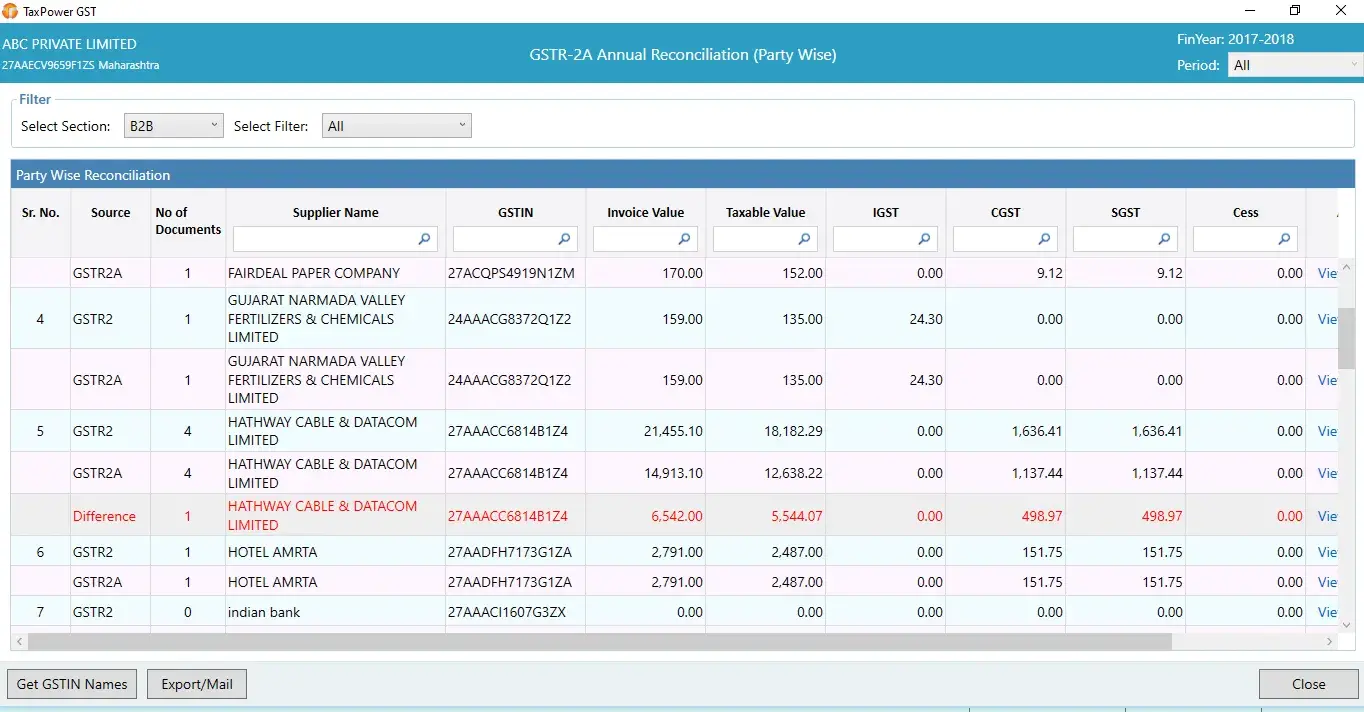
Year-end reconciliation is most useful when summary differences can be traced back to the underlying parties and invoices. Party-wise views help professionals focus review effort on the records that actually need attention.
Professional Edition
Year-End Reconciliation for CAs and GST Professionals Handling Multiple Clients
For CA firms and GST practitioners, annual reconciliation often means moving across multiple clients, GSTINs, filing periods and supplier datasets. A structured year-level review helps teams identify unresolved items before annual-return work begins.
Organise annual review across multiple client datasets.
Concentrate review on unresolved differences.
Use reports and reconciliation outputs during review.

Business Edition
Use Annual Reconciliation for Internal Year-End GST Review
Businesses managing their own GST compliance can use year-level reconciliation to review books-vs-GST differences, understand unresolved supplier or invoice issues and improve visibility before finance-team sign-off or annual-return preparation.
Connected Year-End Workflow
Connect Annual Reconciliation with Reconciliation, Annual Reports and GSTR-9 / GSTR-9C
Keep this page focused on year-end review while using the canonical workflow pages for detailed reconciliation, analytical annual reports and statutory annual-return preparation.
GST Reconciliation
Explore regular books-vs-GST and invoice-level reconciliation workflows.
Explore reconciliation →GST Annual Reports
Use full-year summary and comparison reports during review.
Explore annual reports →GSTR-9 / GSTR-9C
Move reviewed year-end information into statutory annual-return working.
Explore annual returns →Quick Answers
Annual GST Reconciliation FAQs
Answers to common questions around full-year reconciliation and its place in the year-end GST workflow.
See the Year-End Workflow
Review Annual GST Reconciliation in TaxPower GST
Explore books-vs-GST comparison, party and invoice review, annual reports and annual-return connections for your professional practice or business.